When U.S. Secretary of Agriculture, Tom Vilsack, took the podium at the General Session of the 98th Annual Meeting of the Iowa Farm Bureau, he did so representing a blue administration and looked out at a sea of people who mostly called the red areas of the state their home. I, myself, had never voted for him.
He would speak conversationally, in a soft tone, like a farmer in his pickup, opening the door to offer you a ride back. Back from where? Back from the brink, perhaps. It’s a service thehard working folks of the heartland have provided more than once. Vilsack should know the way, he’d seen the brink before.
“A tragedy, actually almost 30 years to the day in my small hometown of Mt. Pleasant, created an opportunity for me to get into public service,” Vilsack said. “You all have given me just an incredible opportunity. You’ve allowed me to realize every dream I ever had as a kid. You didn’t have to do that. You didn’t have to give a guy from Pennsylvania the opportunity to be a mayor…to be a state senator. You certainly didn’t have to give me the opportunity to be the governor of this great state for eight years, and because of that I had the opportunity to serve you as the secretary of agriculture for eight years.”
The tragedy he referenced was on December 10th, 1986. Ralph Davis was to address a Mt. Pleasant City Council meeting, but instead produced a handgun with which he wounded two city council members and killed the mayor, Edd King. King’s father would later wind up at Vilsack’s law office and persuade him to run for mayor.
A Des Moines Register article records that Davis, in his court testimony said he did not regret the shooting, and if he could do it over again he’d get a better gun. Last year, Vilsack was interviewed about the incident as Mt. Pleasant began restoration work on the memorial fountain erected in King’s honor. Of Davis, who spent time as a Japanese prisoner of war in WWII, Vilsack said, “I believe in my heart that that experience really changed him mentally. Had he not had that POW experience, one wonders whether he would have not done what he did.”
In our current efforts to build a more charitable world by being uncharitable to those we deem uncharitable, it was the charity of Secretary Vilsack that stood out.
“The 15% of the population that lives in rural America supplies 35-40% of our military. Over my lifetime, it has increased its production by 170% on 26% less land and with 22 million fewer farmers. That production has lead to low cost food that has stimulated our economy. Everyone that does something other than farming, gets to do it because of agriculture. Agriculture has made us a land of unlimited opportunity. A country so great that a child that began life in an orphanage winds up spending his time talking to the President in the White House.”
He reminded the crowd once more of the importance of protecting our water, of free trade, and of an immigration system that works. Having said his peace, he drew his remarks to a close.
“People ask me why I have stayed. I stayed because I love the people I work for. I stayed because I love the people I work with. I’ve got to meet a lot of hard working farmers and ranchers in this country, and as long as I live, I’ll always be grateful.”
The crowd rose and applauded. I jotted down his final line. When I had finished, I got in with him.
Whether or not love trumps hate, I do not know. I do know either is equally rare. In their place stand more often than not stand fear and ignorance. If not for you, then for me.
Fear and ignorance are trumped by charity. Charity is neither red or blue. It drives a humble truck, and perhaps it will get us all away from the brink.
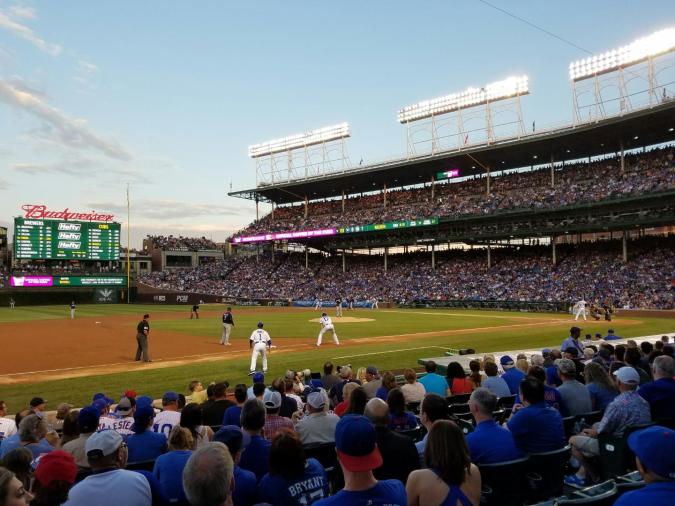
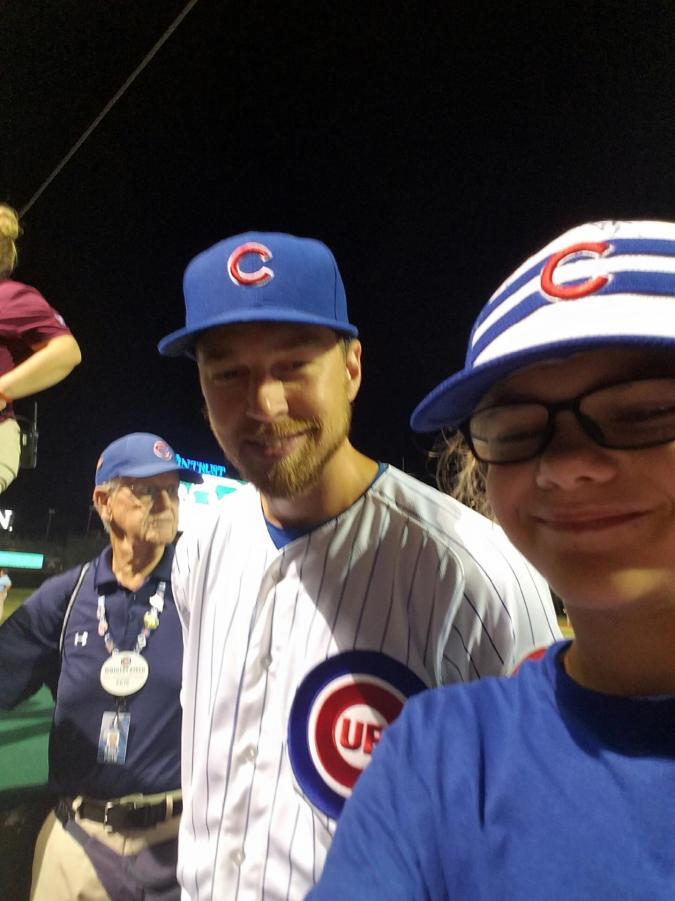
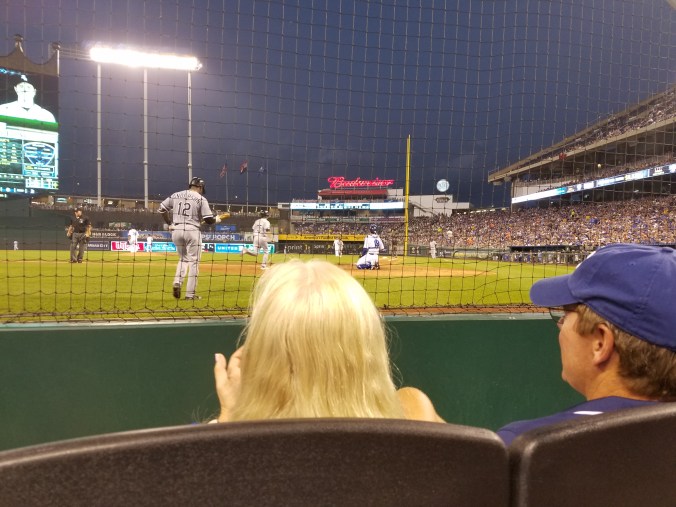
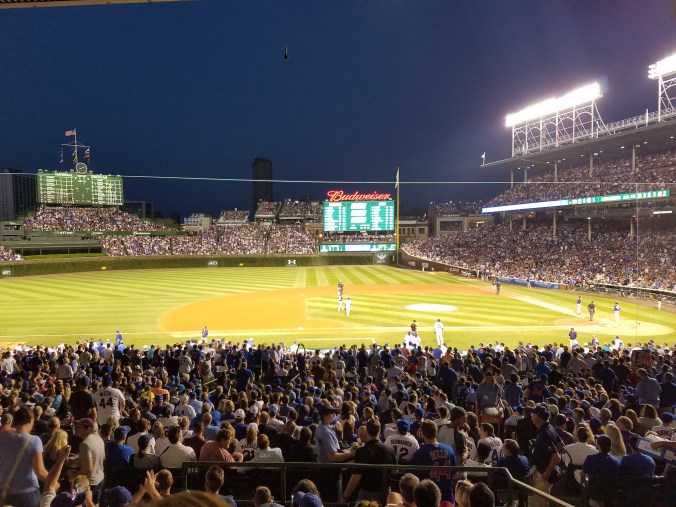 Wrigley Field is like a dilapidated, old hotel on the north side of town, which owes most of its existence to the fact that anyone who’s anybody still goes there. Folks like me go there too. We sit down on a late summer evening to the smell of beer, and yesterday’s beer, and body sweat.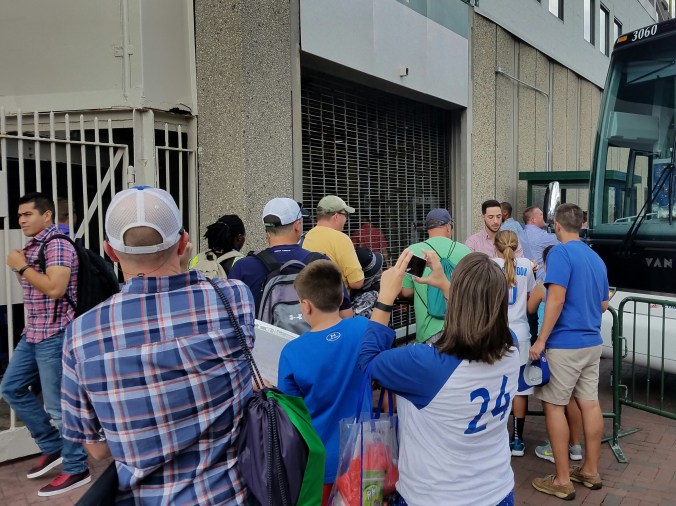
 True Stories and Tall Tales